



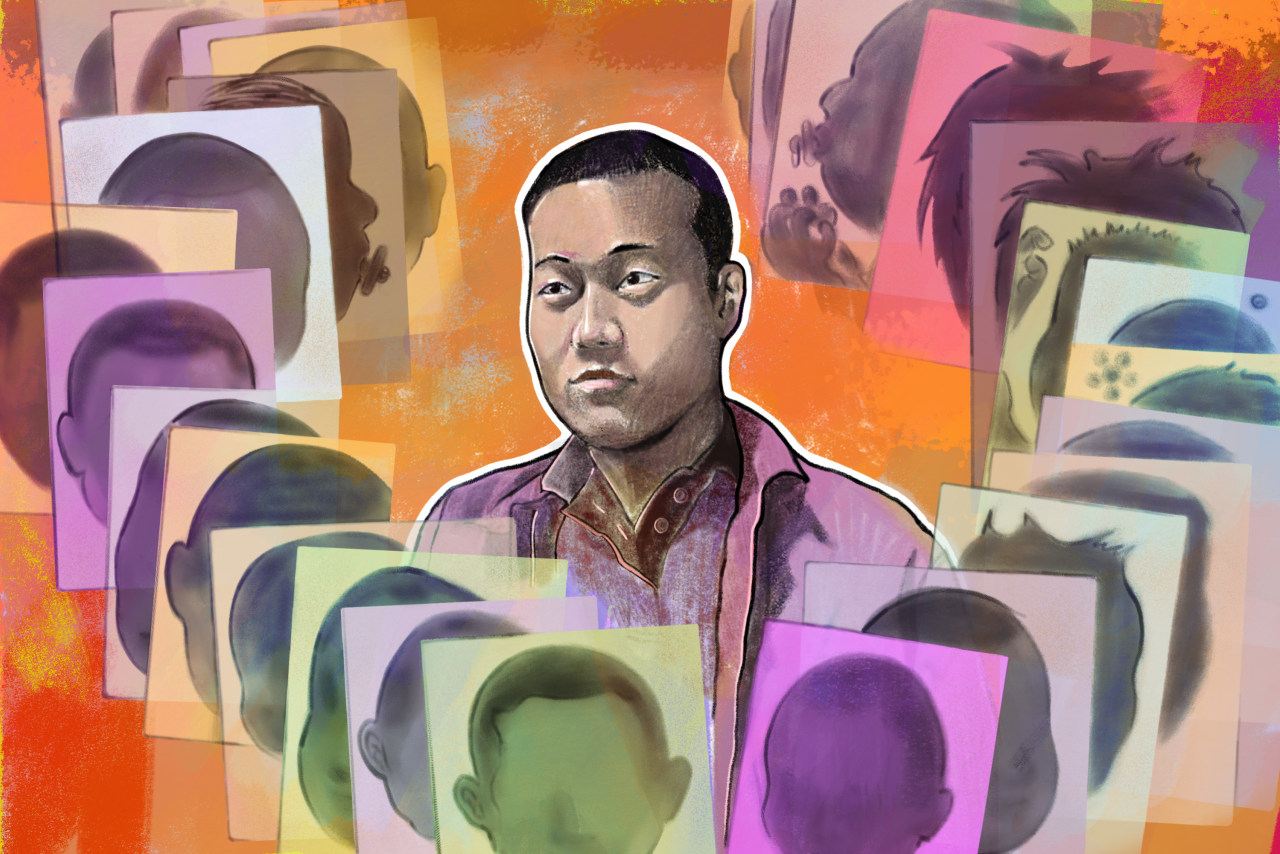
TLDR: A high-profile surrogacy case involving a Chinese billionaire has sparked debates about the ethical and legal implications of surrogacy in China. Critics highlight inequality and exploitation concerns, urging for clearer regulations to protect all parties, particularly surrogate mothers, as more wealthy individuals pursue reproductive technologies.
In recent developments, the world of surrogacy has taken center stage, particularly with the involvement of wealthy Chinese individuals. A high-profile case has emerged involving a prominent Chinese billionaire who has made headlines due to his pursuit of surrogacy. This situation has sparked discussions around the ethical implications and the complex legal landscape governing surrogacy in China.
Surrogacy, while gaining traction globally, remains a contentious issue in China. Despite its growing acceptance among the affluent, legal frameworks around surrogacy are still murky. The Chinese government has not formally legalized surrogacy, leading many to navigate a grey area of laws. The case in point revolves around the billionaire's decision to seek a surrogate mother, which has raised questions about the motivations and societal impacts of such choices.
Critics argue that the involvement of billionaires in surrogacy can perpetuate inequalities, as only the wealthy can afford such services. This disparity highlights a broader concern regarding access to reproductive technologies and the potential exploitation of surrogate mothers, particularly those from less privileged backgrounds. The emotional and ethical nuances of surrogacy are further complicated when wealth intersects with reproductive rights.
As this case unfolds, it has ignited public debate on the need for clearer regulations surrounding surrogacy in China. Advocates for reproductive rights are calling for a legal framework that protects all parties involved, especially surrogate mothers. The conversation is increasingly relevant as more wealthy individuals turn to surrogacy, prompting the need for comprehensive guidelines that address ethical concerns while allowing families to grow.
In conclusion, the intersection of wealth, surrogacy, and ethics presents a complex narrative in contemporary China. As discussions continue, it remains crucial for stakeholders, including policymakers and society at large, to engage in constructive dialogue about the future of surrogacy and its implications. The evolving landscape of reproductive technologies will undoubtedly influence the lives of many, making it essential to consider both the opportunities and challenges that arise in this domain.
Please consider supporting this site, it would mean a lot to us!
