



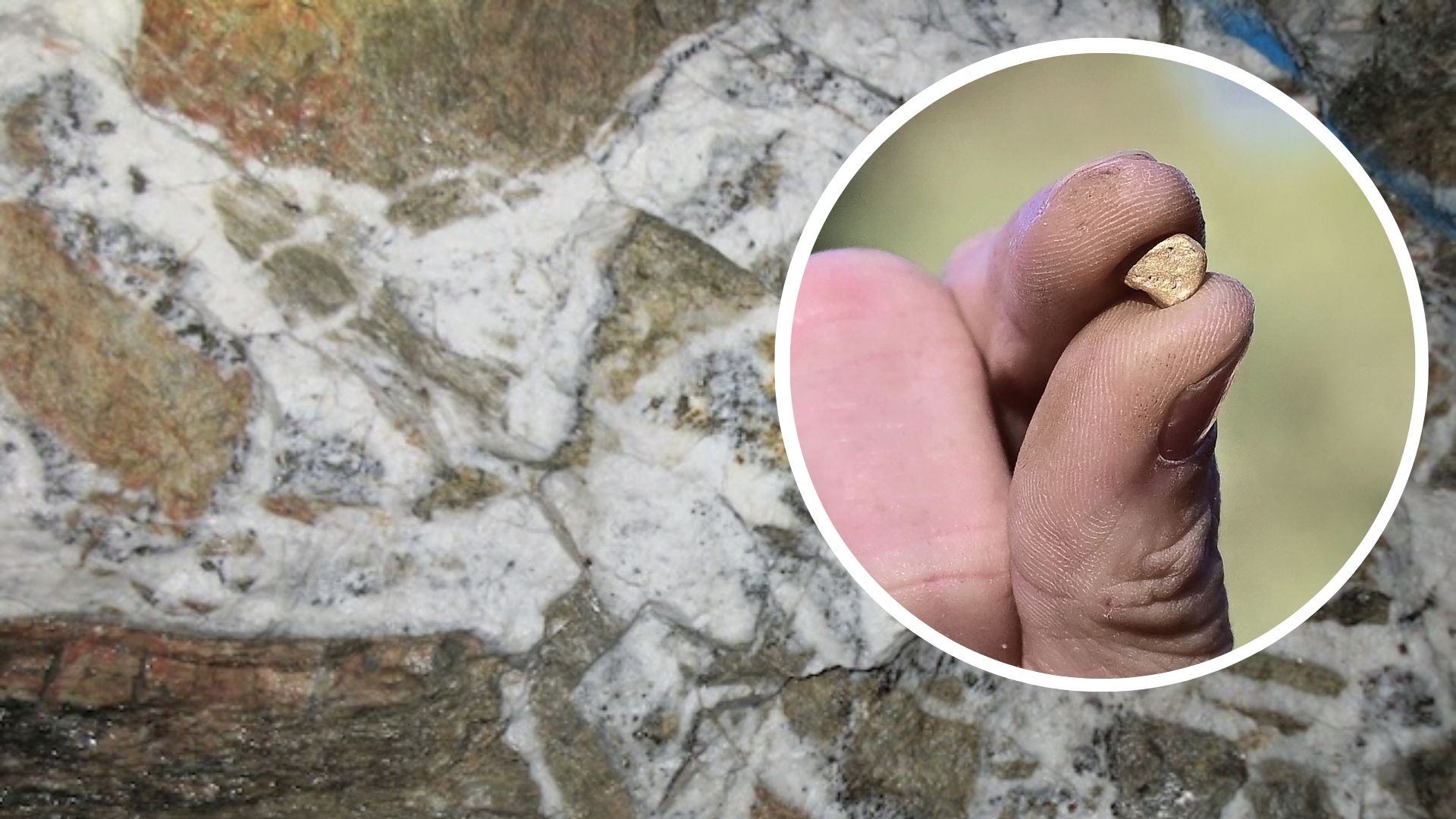
TLDR: A recent study reveals that helium isotopes serve as a geochemical fingerprint for locating gold deposits deep within the Earth, linking them to tectonic activity. This discovery could enhance mining exploration strategies and deepen our understanding of geological processes and mineral formation.
Recent research has uncovered a fascinating link between helium isotopes and the formation of gold deposits deep within the Earth. This groundbreaking study sheds light on the geochemical processes that contribute to the concentration of valuable minerals, offering new insights for both geologists and the mining industry. Scientists have long been intrigued by the mystery of where gold comes from, and this study highlights the role of helium isotopes as a potential key to understanding these natural phenomena.
The research indicates that helium isotopes, which are rare gases found in the Earth's mantle, can serve as a geochemical fingerprint for identifying regions that are likely to host significant gold deposits. These isotopes are produced during the decay of radioactive elements and can migrate through geological formations, potentially leading to the accumulation of gold. This innovative approach to exploring mineral deposits could revolutionize how geologists locate new sources of precious metals.
One of the most intriguing aspects of the findings is the connection between gold deposits and tectonic activity. The study suggests that the movement of tectonic plates and the associated geological processes may enhance the concentration of helium isotopes, thereby signaling the presence of gold. This information could aid mining companies in directing their exploration efforts more effectively, potentially saving time and resources in their search for new mining sites.
Moreover, the implications of this research extend beyond just gold mining. Understanding the processes that lead to the formation of mineral deposits can provide valuable insights into the Earth’s geological history and the mechanisms that drive its evolution. As the global demand for minerals continues to rise, finding new and efficient ways to locate these resources becomes increasingly important.
In conclusion, the discovery of a link between helium isotopes and deep-Earth gold deposits represents a significant advancement in the field of geology. By incorporating the study of geochemical processes into exploration strategies, geologists can enhance their ability to locate valuable minerals. As research in this area continues, we may uncover even more connections that could reshape our understanding of the Earth’s resources and their formation.
Please consider supporting this site, it would mean a lot to us!
