



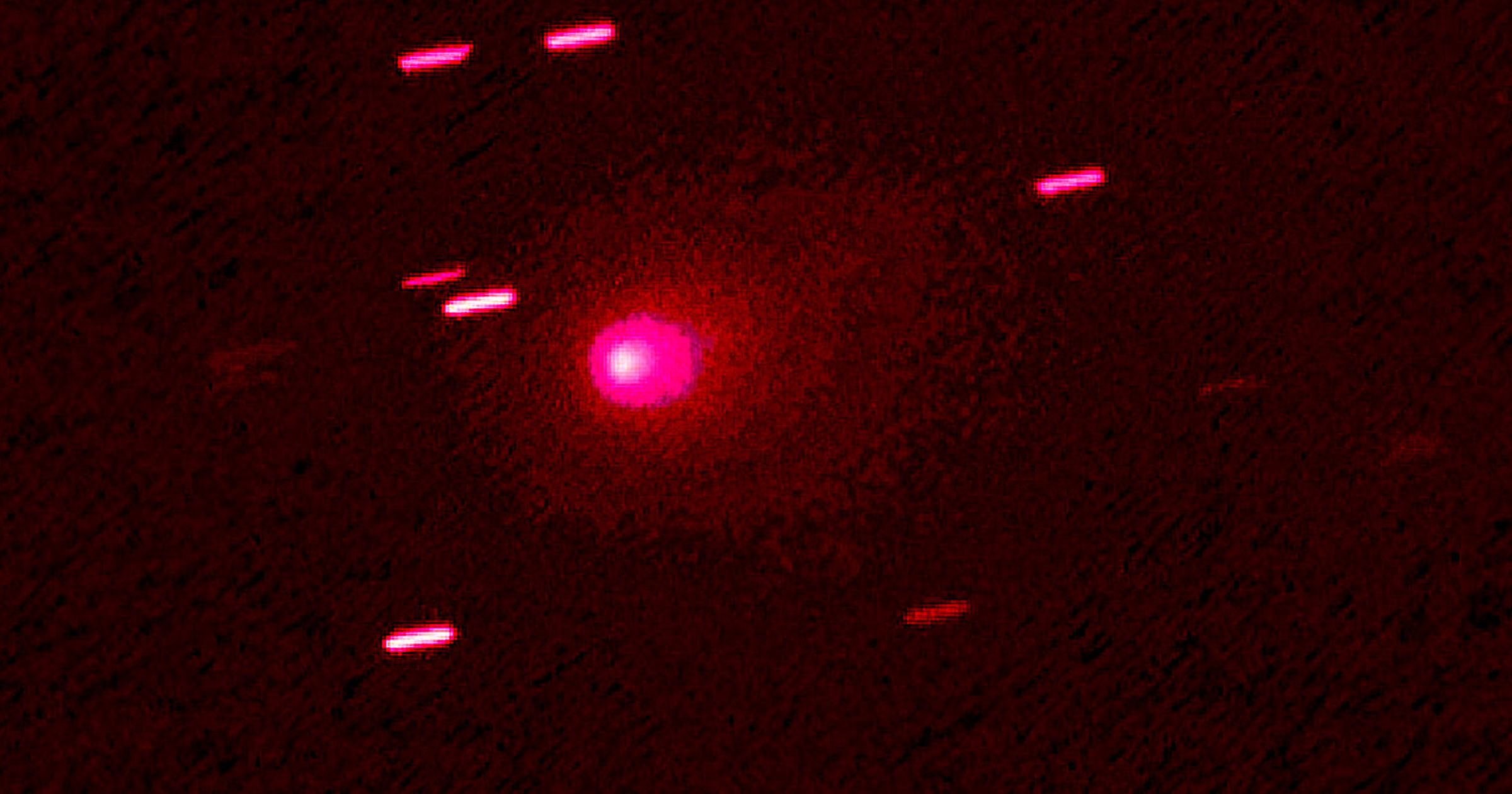
TLDR: The discovery of the 3D Atlas Protrusion beneath the Earth's mantle could revolutionize our understanding of geological processes and mantle dynamics. This massive structure may influence tectonic plate movement and volcanic activity, prompting a reevaluation of traditional models and offering new insights into the Earth's evolution.
Recent discoveries have unveiled a fascinating geological feature beneath the Earth's surface known as the 3D Atlas Protrusion. This enormous structure, located deep within the Earth's mantle, has sparked significant interest among scientists and researchers. Its sheer size and unique characteristics suggest that it may hold vital information about the Earth's formation and geological processes.
The Earth's mantle is a complex layer that lies between the crust and the core, and it plays a crucial role in the planet's tectonic activity. The 3D Atlas Protrusion is believed to be a massive and unusually large accumulation of material that extends thousands of kilometers. Researchers are now investigating how this structure interacts with tectonic plates and whether it influences volcanic activity.
One of the most intriguing aspects of the 3D Atlas Protrusion is its potential to reshape our understanding of mantle dynamics. Traditional models of mantle convection may need to be revisited, as this protrusion could be a significant player in the movement of tectonic plates. The study of such features can lead to new insights into the processes that drive earthquakes and volcanic eruptions, ultimately enhancing our predictive capabilities.
Additionally, the discovery of the 3D Atlas Protrusion raises questions about the thermal and chemical properties of the mantle. Scientists are eager to learn whether this structure is composed of different materials compared to its surroundings and how it affects the temperature gradients within the mantle. Such investigations could provide a clearer picture of the Earth's internal processes and improve our understanding of its evolution over millions of years.
As researchers continue to explore this intriguing feature, they are also utilizing advanced technologies, such as seismic imaging, to gather data and visualize the structure of the mantle more accurately. The implications of the 3D Atlas Protrusion extend beyond mere geological curiosity; they may also have significant implications for our comprehension of the Earth's entire system and its future.
In summary, the discovery of the 3D Atlas Protrusion is a groundbreaking development in the field of geology. It opens up new avenues for research, enhances our understanding of the Earth's internal dynamics, and challenges existing models of geological processes. As scientists delve deeper into this mysterious structure, we can anticipate a wealth of knowledge that will reshape our understanding of the planet we inhabit.
Please consider supporting this site, it would mean a lot to us!
