



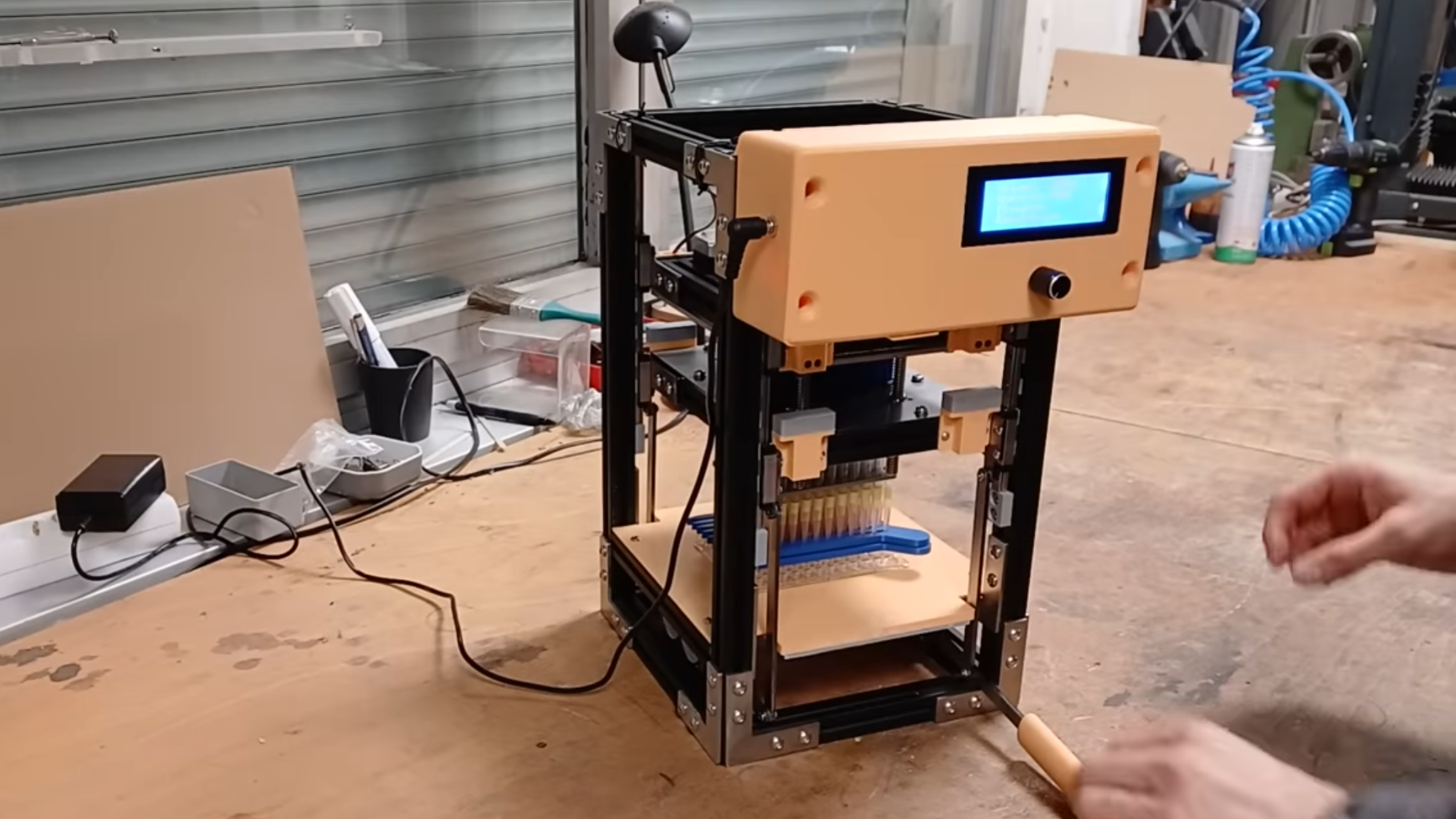
TLDR: The multi-channel pipette enhances laboratory efficiency by allowing simultaneous liquid transfers, improving speed and precision in experiments. Its adjustable volume, ergonomic design, and reliable liquid handling make it essential for high-throughput research, ultimately contributing to more reliable experimental outcomes.
In the world of scientific research, efficiency and precision are paramount. A recent project has focused on developing a multi-channel pipette, an innovative tool designed to enhance the speed and accuracy of parallel experimentation. This device allows researchers to conduct multiple liquid transfers simultaneously, making it an invaluable asset in laboratories where time and precision are essential.
The multi-channel pipette is designed to streamline the process of handling reagents, samples, and other solutions. Traditional pipetting can be a time-consuming task, especially when dealing with high-throughput experiments. By utilizing a multi-channel system, researchers can significantly reduce the time spent on liquid handling, allowing them to focus more on data analysis and experimental design.
This particular pipette features several key components that contribute to its functionality. It incorporates an adjustable volume setting, enabling users to customize the amount of liquid dispensed with each pipetting action. Additionally, the device is designed for ergonomic use, ensuring that researchers can operate it comfortably during extended periods in the lab.
One of the standout features of this multi-channel pipette is its ability to maintain consistent liquid handling across multiple channels. This consistency is crucial for experiments that require precise measurement and reproducibility. Researchers can trust that each channel delivers the same volume of liquid, thereby minimizing variability in their results.
Moreover, the design of the pipette allows for easy maintenance and cleaning, an essential consideration in laboratory environments where contamination can affect experimental outcomes. The materials used in the construction of the pipette are also selected for their durability and resistance to common laboratory solvents.
Overall, the development of a multi-channel pipette represents a significant advancement in laboratory technology. By improving the efficiency of liquid handling, this tool not only saves time but also enhances the reliability of experimental results. As the demand for high-throughput experimentation continues to grow, innovations like this pipette will play a critical role in the future of scientific research.
In conclusion, the multi-channel pipette is a game-changer for researchers looking to optimize their workflows. Its combination of precision, efficiency, and user-friendly design makes it an essential tool for modern laboratories. As we continue to push the boundaries of scientific inquiry, tools like the multi-channel pipette will undoubtedly pave the way for new discoveries.
Please consider supporting this site, it would mean a lot to us!
