



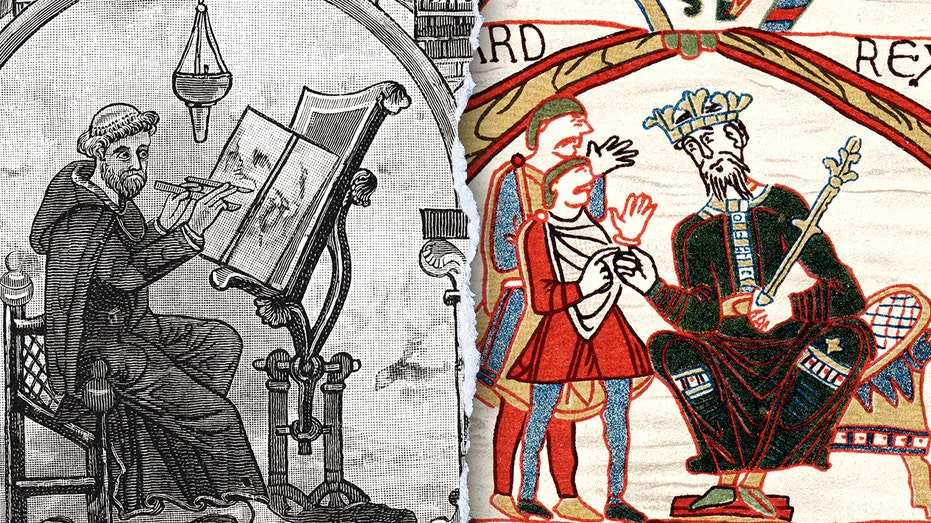
TLDR: The Bayeux Tapestry, depicting the Norman Conquest of 1066, may have been displayed in dynamic communal spaces rather than just museums, enhancing viewer interaction and storytelling. Recent research highlights its historical significance, offering insights into 11th-century societal norms and values.
The Bayeux Tapestry, a remarkable piece of medieval art, has captured the imagination of historians and art enthusiasts alike for centuries. This stunning tapestry, which vividly depicts the events leading up to the Norman Conquest of England in 1066, is not only a significant historical artifact but also a testament to the craftsmanship of its creators. Recent research has shed new light on the potential settings in which this illustrious tapestry may have been displayed throughout its history.
Traditionally believed to have been showcased in the Bayeux Museum in France, experts now suggest that the tapestry might have been viewed in a more dynamic environment. Some researchers propose that it could have been hung in a large hall or community space, allowing for a communal viewing experience. This theory indicates that the tapestry could have served not only as a decorative piece but also as an engaging storytelling medium for the people of that time.
One of the most intriguing aspects of this research is the possibility that the tapestry was designed to be viewed in a specific manner, enhancing the narrative as viewers walked past it. The positioning of the scenes, along with the intricate details woven into the fabric, suggests that the creators intended for the audience to interact with the tapestry in a more profound way than merely observing it from a distance.
Furthermore, the tapestry's historical significance extends beyond its artistic merit. It offers a unique glimpse into the societal norms and values of the 11th century, reflecting not only the events of the conquest but also the cultural context in which these events were interpreted. By examining the tapestry’s imagery, researchers can gain insights into the political and social dynamics of medieval Europe.
As scholars continue to explore the tapestry’s origins and its possible display settings, the Bayeux Tapestry remains a vital piece of history that continues to evoke curiosity and scholarly debate. Its enduring legacy is a reminder of the rich tapestry of human storytelling, art, and history, inviting future generations to delve into its mysteries and appreciate its beauty.
Please consider supporting this site, it would mean a lot to us!
